 United States (English)


















10 Common Myths About Intraoral Scanning—And What the Science Actually Says
August 17, 2026
Many clinicians’ concerns about intraoral scanning trace back to early generation scanners, outdated workflows, or secondhand anecdotes. Today’s evidence tells a different story. Below are the 10 most common misconceptions—and what peer reviewed science shows instead.
Myth #1. Intraoral scans aren’t as accurate as traditional impressions
Reality: Modern IOS systems are clinically equivalent—or superior—for most indications, including single units, short-span bridges, orthodontics, and implant restorations.
- Accuracy issues were more common in early scanners
- Current scanners perform exceptionally well when proper scanning protocols are followed
- For full-arch implant cases, accuracy depends more on technique and scan strategy than on the scanner itself

Myth #2. Scanning always takes longer than a PVS impression
Reality: After the learning curve, IOS is typically faster overall. While initial scans may take longer during early adoption, time savings occur by eliminating:
- Retakes due to bubbles or pulls
- Disinfection and shipping
- Adjustments and remakes due to distorted impressions
Myth #3. You need a perfectly dry field to scan
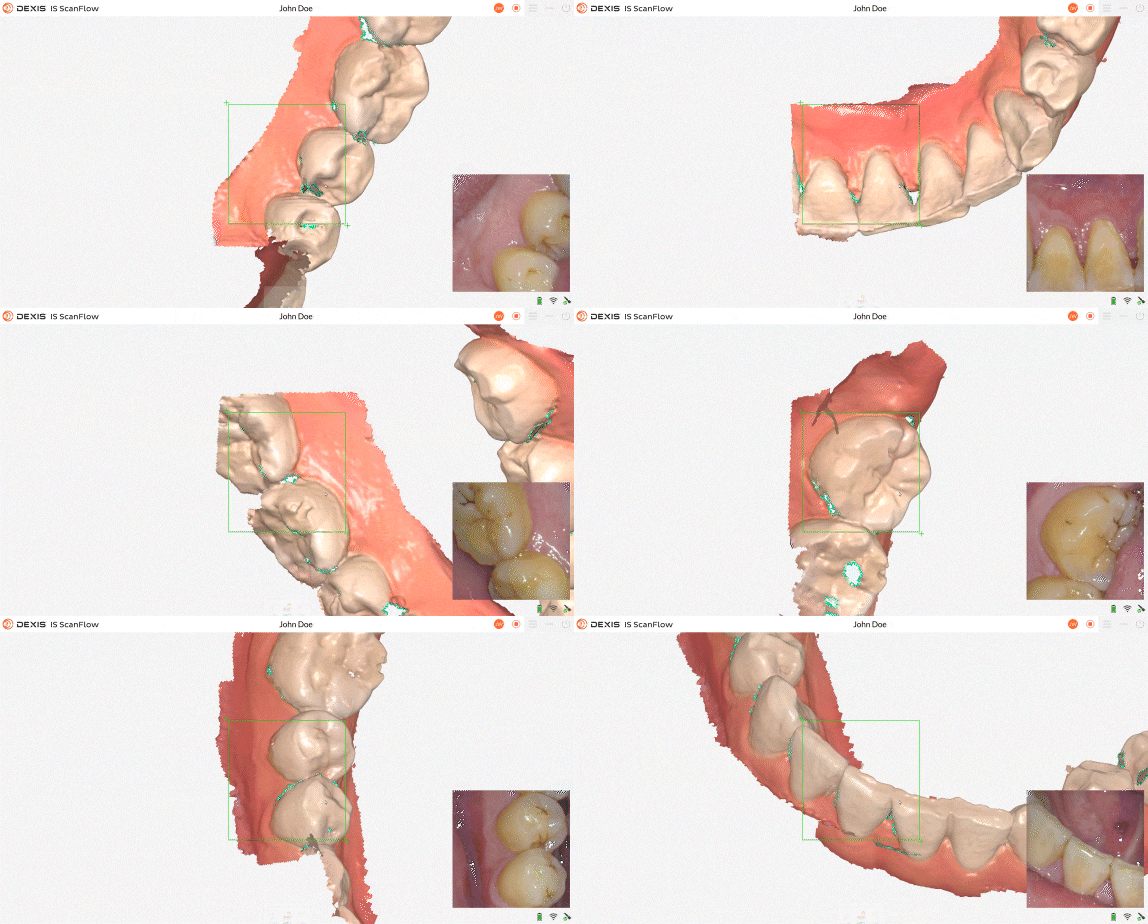
Reality: While moisture control helps, modern scanners tolerate saliva far better than earlier models.
- Saliva acts more as a soft-tissue visibility issue than a scanning failure
- Blood and reflection can interfere, but this is manageable with isolation
- Retraction and scan sequencing matter more than absolute dryness
Key takeaway: IOS is forgiving—field management technique beats hyper-focusing on dryness.(7,8,9)
Myth #4. Intraoral scanning doesn’t capture margins well
Reality: Scanners capture margins extremely well when:
- Margins are visible
- Proper retraction and tissue management are used
- Correct scan path and angulation are followed

Myth #5. Digital impressions are only good for simple cases
Reality: IOS is routinely used today for:

Myth #6. Labs prefer traditional impressions

Digital benefits for labs include:
- No distortion from shipping
- Faster turnaround
- Easier margin marking and design
- Improved communication via annotations and screenshots
Some labs only accept analog impressions because of equipment limitations—but this is becoming uncommon.
Key takeaway: Digital impressions improve lab consistency and collaboration.(12,13,15)
Myth #7. Intraoral scanning has a steep learning curve
Reality: The learning curve is real but short.
- Most clinicians are comfortable within 10–20 scans
- Dental assistants can be trained to scan efficiently
- Training videos and AI scan feedback accelerate proficiency
Key takeaway: The learning curve is temporary; the efficiency gains are permanent.(16,17,18)
Myth #8. Digital workflows are too expensive to justify
Reality: While initial investment is higher, value often comes from:
- Fewer remakes
- Reduced chair time
- Lower impression material costs
- Increased case acceptance (patients prefer digital)
Myth #9. Patients don’t care whether impressions are digital or analog
Reality: Patients overwhelmingly prefer digital scanning:
- Increased comfort
- Less gag reflex
- Faster appointments
- Perceived modernity and professionalism
This often improves acceptance of restorative and elective treatment.

Key takeaway: IOS enhances the patient experience—not just clinician workflow. (16,21,22)
Myth #10. Any intraoral scanner will give the same results—brand doesn’t matter
Reality: Clinical results depend not only on the operator, but also on the scanner ecosystem. This includes hardware, software, workflow design, and training support.
Peer reviewed studies consistently show that:
- Accuracy, scan time, and render efficiency vary across IOS systems, even when used by the same operators
- Software versions and updates materially affect scanner trueness and precision
- Standardized workflows, guided scanning strategies, and training programs reduce technique sensitivity
- In some systems, operator experience has less impact on accuracy than scanner design and software support
Outcomes depend on how well the system supports the clinician, not only on raw optical capability.
Key takeaway: Scanner results aren’t hardware only—they’re ecosystem dependent. (23,24,25)
Bottom line
Most IOS myths are remnants of outdated technology and early adoption pain points. With today’s scanners and evidence-driven workflows, intraoral scanning is accurate, efficient, patient-preferred, and broadly applicable across restorative, implant, and orthodontic dentistry.
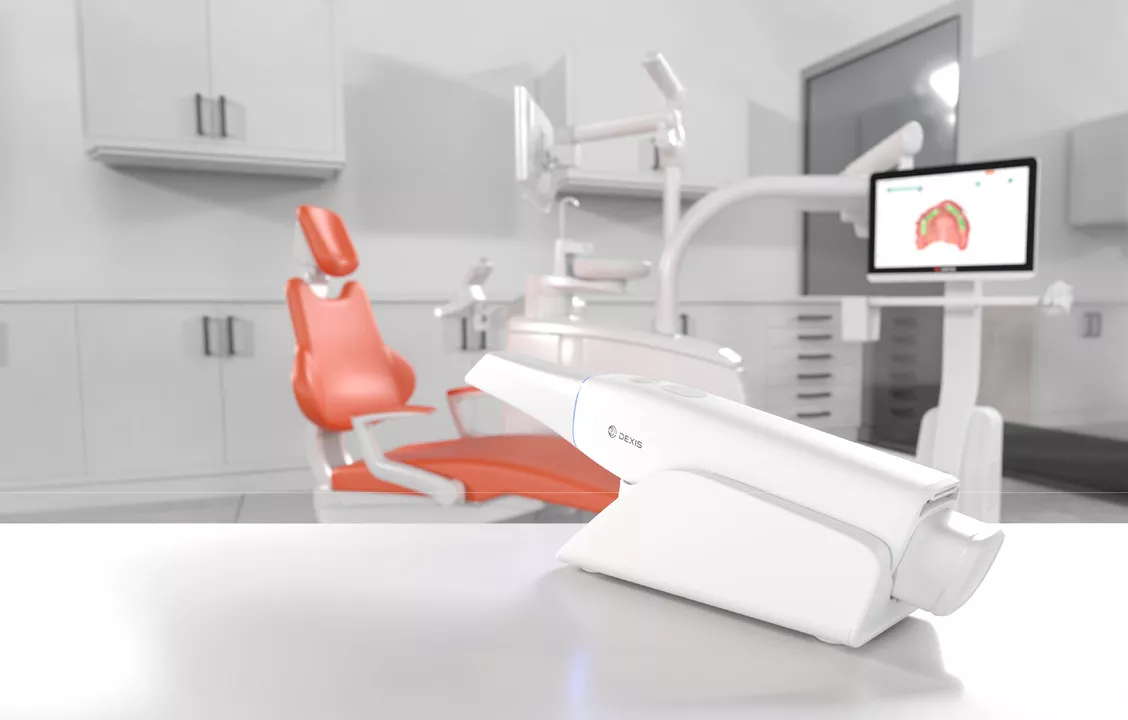
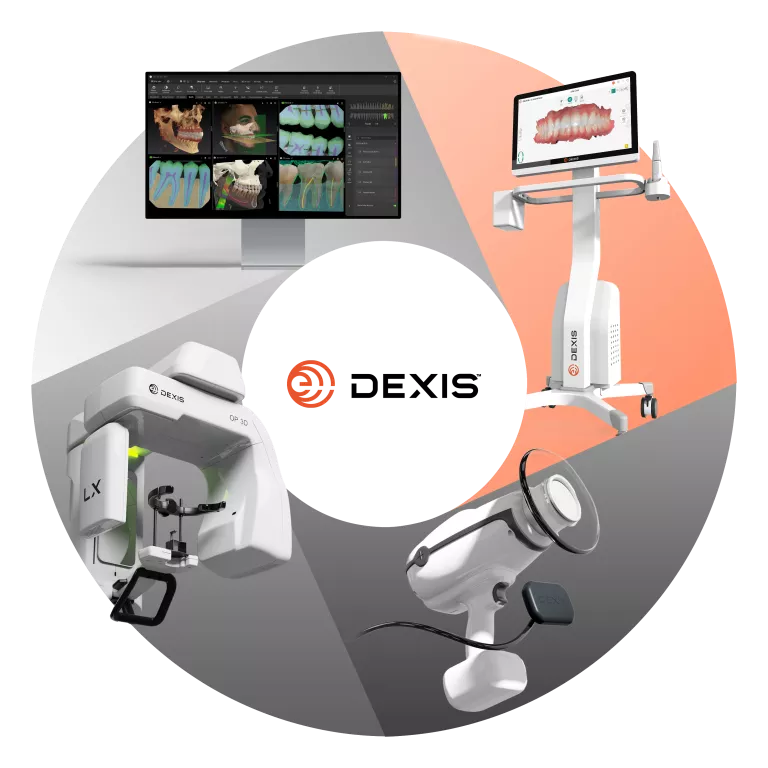
What ultimately determines success is not just the scanner itself. It is also the quality of the product and the partnership behind it. Practices using DEXIS Imprevo, paired with IS ScanFlow, benefit from more than premium technology. They gain structured training, dependable support, and workflow guidance designed to help teams use digital tools effectively and consistently.
The science has caught up, and it’s clear: intraoral scanning works best when supported by proven technology, strong education, and a partner committed to helping practices succeed long after installation.
References:
- Accuracy of Full-Arch Intraoral Scans Versus Conventional Impression: A Systematic Review with a Meta-Analysis and a Proposal to Standardise the Analysis of the Accuracy
- ACCURACY OF INTRAORAL SCANNERS VERSUS TRADITIONAL IMPRESSIONS: A RAPID UMBRELLA REVIEW | CoLab
- Accuracy of intraoral scans: An in vivo study of different scanning devices - The Journal of Prosthetic Dentistry
- Intraoral scanning reduces procedure time and improves patient comfort in fixed prosthodontics and implant dentistry: a systematic review | Clinical Oral Investigations | Springer Nature Link
- Digital vs. conventional implant impressions: efficiency outcomes - PubMed
- Learning curve of digital intraoral scanning – an in vivo study | BMC Oral Health | Springer Nature Link
- Effect of saliva isolation and intraoral light levels on performance of intraoral scanners - American Journal of Orthodontics and Dentofacial Orthopedics
- The Accuracy of Three Intraoral Scanners in the Oral Environment with and without Saliva: A Comparative Study
- Influence of Liquid on the Tooth Surface on the Accuracy of Intraoral Scanners: An In Vitro Study
- Trueness of intraoral scanners according to subgingival depth of abutment for fixed prosthesis | Scientific Reports
- Influence of gingival retraction on the accuracy of an intraoral scanner for subgingival finish lines - UBC Library Open Collections
- Does Intraoral Scanning at the Subgingival Finish Line Affect the Accuracy of Interim Crowns?
- Accuracy of digital implant impressions obtained using intraoral scanners: a systematic review and meta-analysis of in vivo studies | International Journal of Implant Dentistry | Springer Nature Link
- The accuracy of intra-oral scanners in full arch implant rehabilitation: a narrative review | British Dental Journal
- Enhancing Intraoral Scanning Accuracy: From the Influencing Factors to a Procedural Guideline
- Patient-Reported Outcomes of Digital Versus Conventional Impressions for Implant-Supported Fixed Dental Prostheses: A Systematic Review and Meta-Analysis
- Digital impression (intraoral scanners) and factors affecting its accuracy – an insight into knowledge and awareness amongst graduates, and clinical practitioners | BMC Oral Health | Springer Nature Link
- Proscia___Quest_Study_Report (1).pdf
- Direct vs. Indirect Digital Implant Impressions: A Time and Cost Analysis
- Digital Dental Impressions - The Dental Lab
- Conventional versus Digital Dental Impression Techniques: What Is the Future? An Umbrella Review
- Comparison between digital and conventional impression techniques in children on preference, time and comfort: A crossover randomized controlled trial - Bosoni - 2023 - Orthodontics & Craniofacial Research - Wiley Online Library
- Accuracy of scanning using photogrammetry and reverse scan for complete arch implant-supported prostheses: An in vitro comparative study - The Journal of Prosthetic Dentistry
- Digital versus conventional full-arch impressions in linear and 3D accuracy: a systematic review and meta-analysis of in vivo studies | Clinical Oral Investigations | Springer Nature Link
- Comparison between accuracies of intraoral scanning and photogrammetry techniques performed with various devices in full-arch implant impressions | BMC Oral Health | Springer Nature Link
DX02201_Rev00

Share This